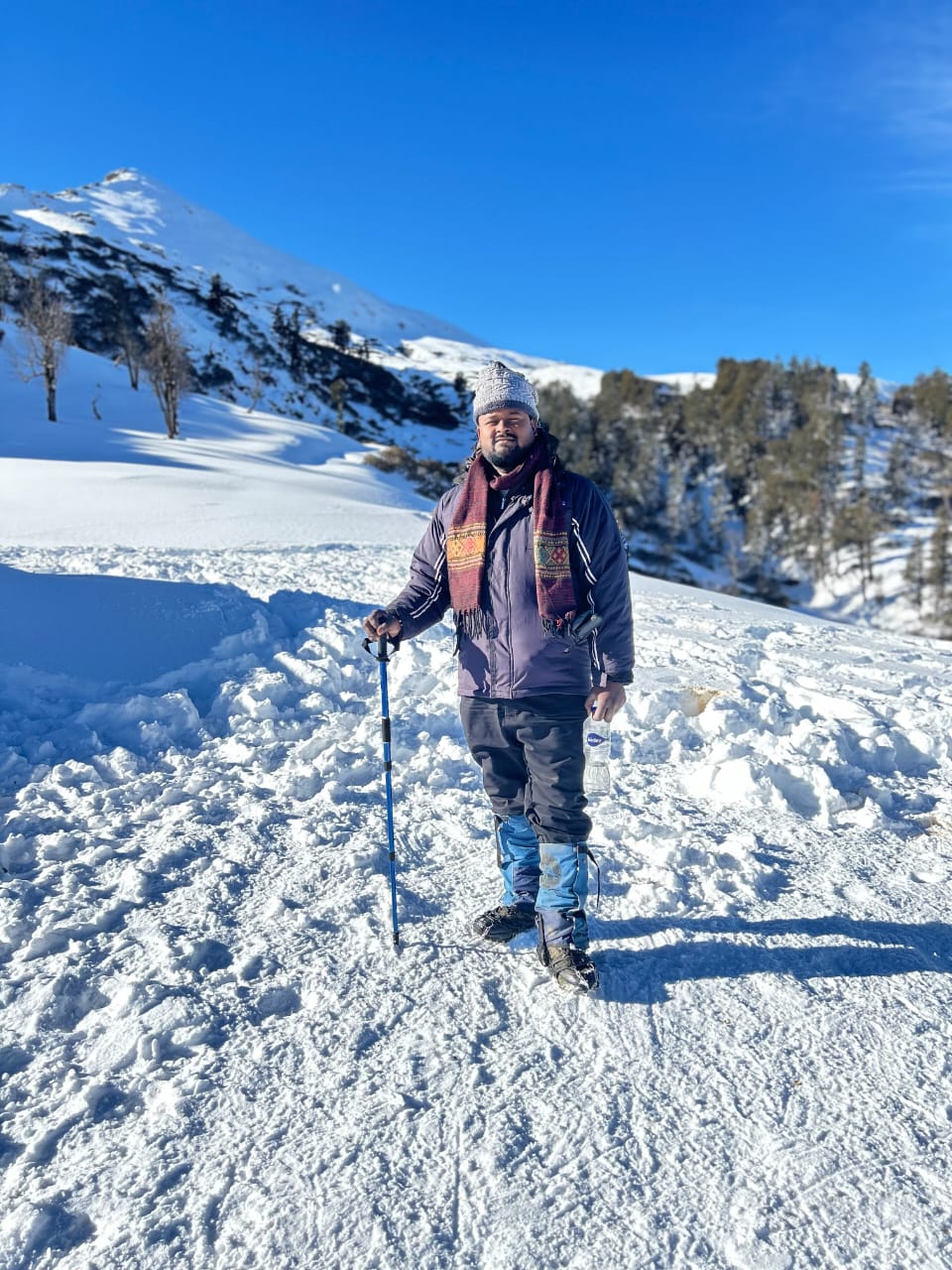
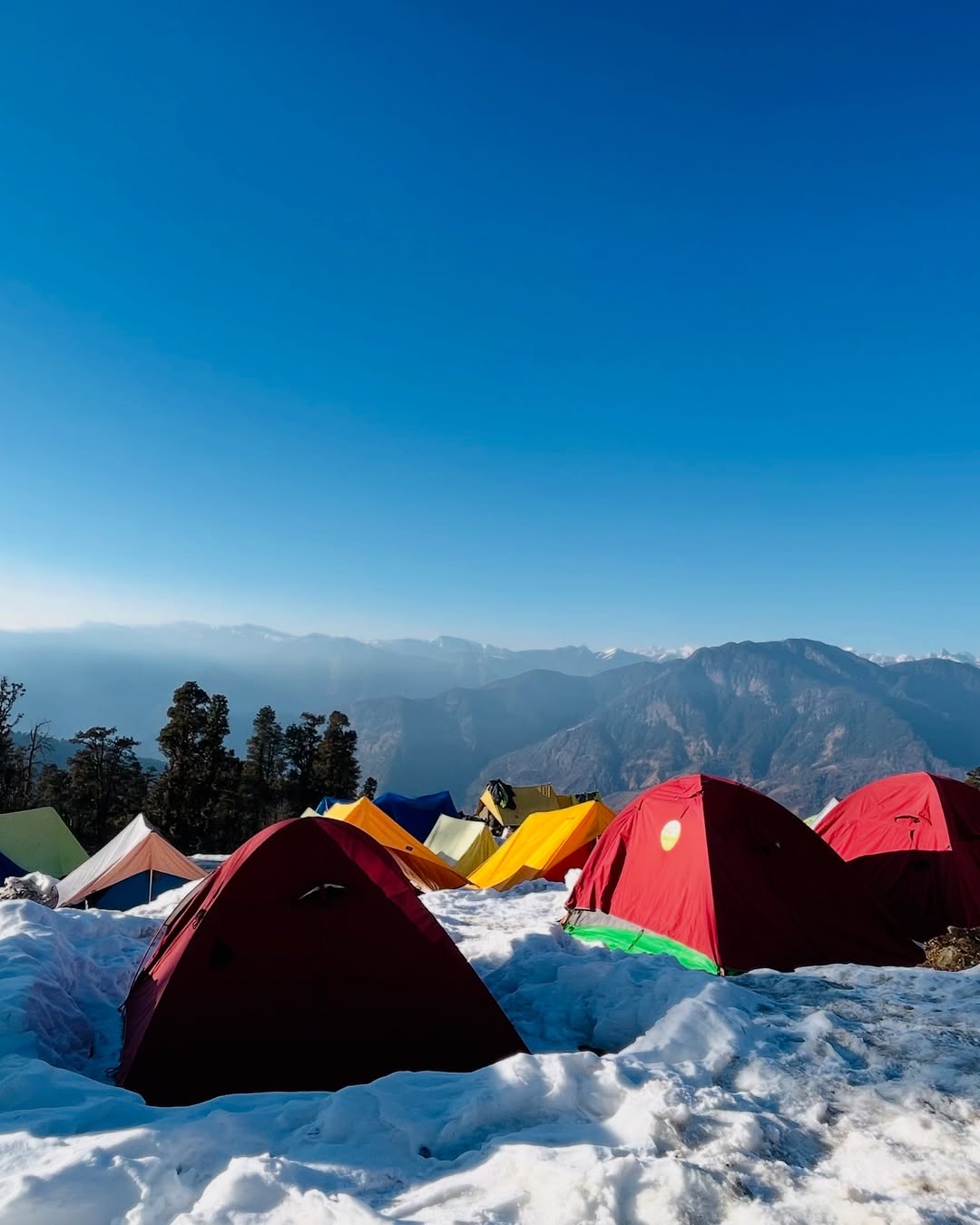
Discover the Snowy Splendor of Kedarkantha Trek with outonodssey!
Kuari Pass Trek, Uttarakhand 2026 | Book Now @ Flat 25% Off
Transport Included
Meals Included
Stay Included
Guide
📅 Select Date & Travelers
Price per Person: ₹ 5499
Total Amount: ₹ 5499
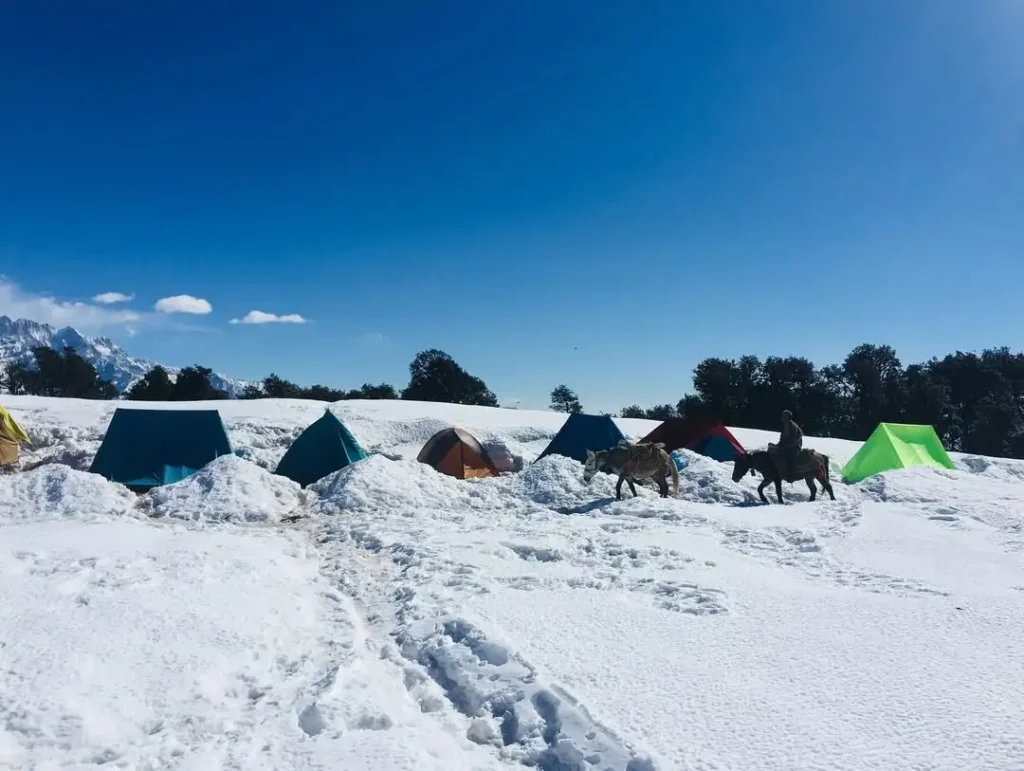
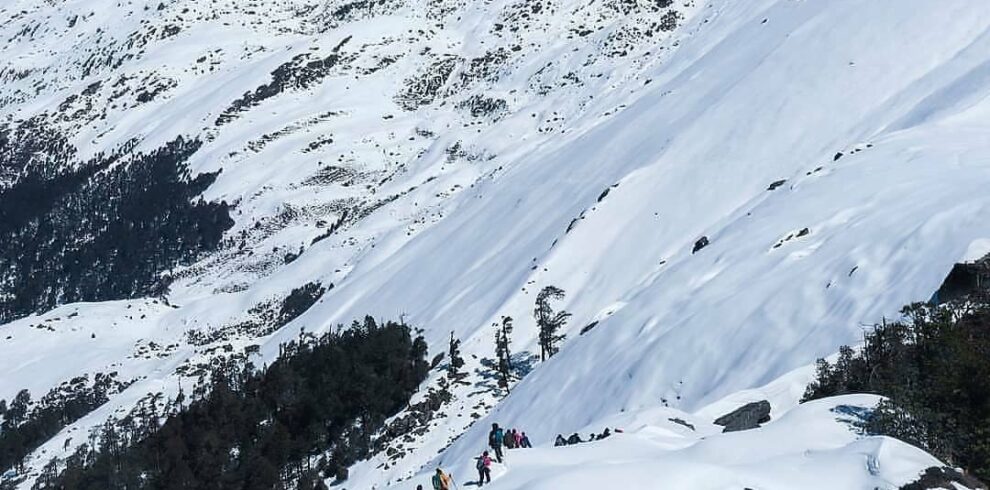
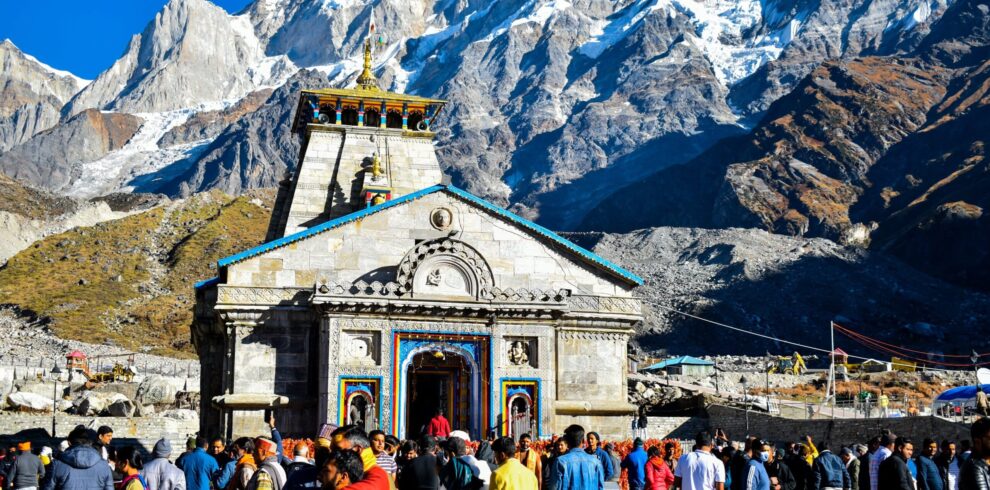
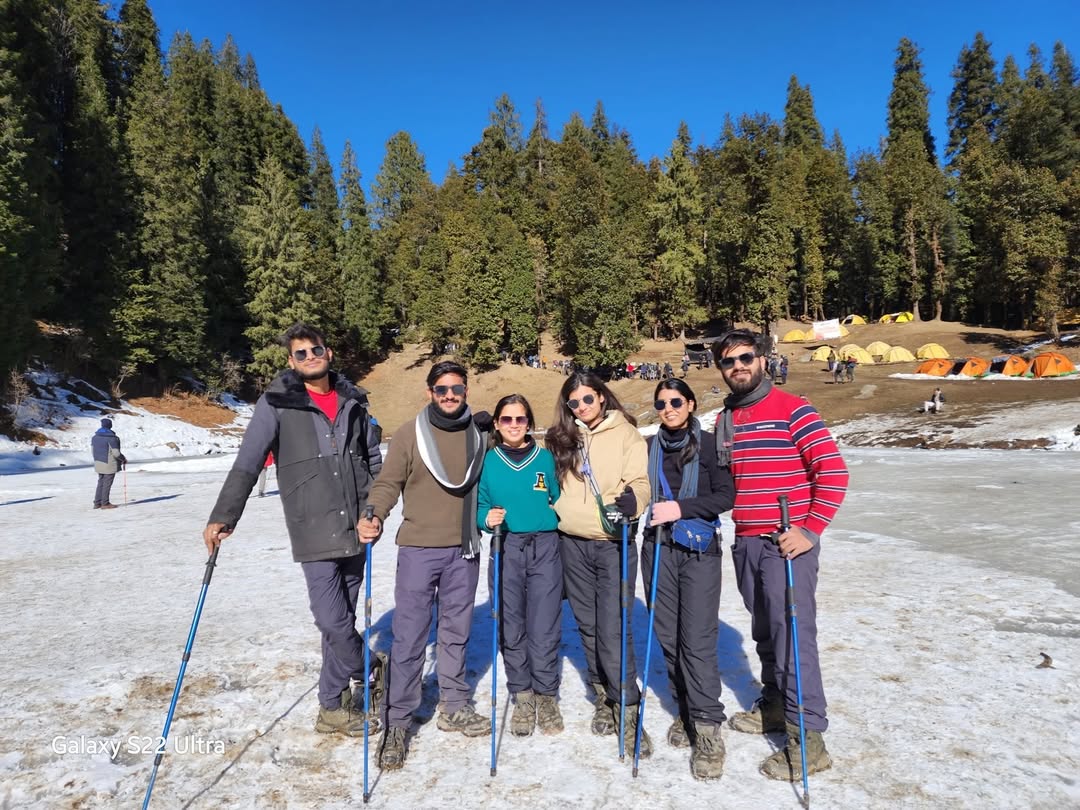
Get ready for an incredible adventure with outonodssey on the Kedarkantha Trek in Uttarkashi, Uttarakhand, India! Picture yourself walking through snow-covered pine forests, with sparkling peaks all around. This trek is a favorite winter adventure worldwide. Whether you’re new to trekking or a seasoned explorer, the Kedarkantha Trek offers thrills and stunning views that make it a must-do. Join us for a snowy Himalayan journey you’ll talk about for years!
The Kedarkantha Trek takes you through beautiful forests, snowy paths, and open meadows, all set in the Govind Wildlife National Sanctuary. This peak sits in the upper Garhwal valley, surrounded by scenic rivers and ancient villages tied to the Mahabharata era. Known as India’s top winter trek, it’s perfect for beginners and packed with snowy magic from November to April. After mid-December, campsites turn into a snowy paradise, making every stop a picture-perfect moment.
Every Himalayan trek is special, but the Kedarkantha Trek shines with its pure, natural beauty. It’s your chance to escape city life and push your limits while surrounded by snow-draped mountains, frozen lakes, and a sacred summit. The climb to the top is exciting, with views that stay with you forever. From Sankri, the starting point, to the peak, every trail offers a glimpse of nature’s best, ready to fill your heart with wonder.
-
Included
-
12,500 feet
-
Hiking, Trekking
-
Moderate fitness required
Day-Wise Itinerary for Kedarkantha Trek with outonodssey
- Drive Distance: 210 km
- Drive Duration: 8-9 hours by road
- Altitude at Sankri: 6,400 feet (1,920 meters)
What Happens: Kick off your trip with a pickup at 6:30 AM from Prince Chowk near Dehradun Railway Station. Hop into comfy vehicles like Bolero, Innova, or Tempo Travellers, and enjoy a scenic drive through valleys and forests. Pass Govind National Park's greenery and arrive in Sankri by 5:00 PM. Jio and BSNL networks work here, so you can share your excitement!
Stay: Cozy guest house or hotel (multi-sharing).
Why You'll Love It: The drive is full of Himalayan charm—perfect for snapping photos and getting pumped for the trek ahead. Withoutonodssey, transport is seamless and optional at ₹1,500 extra if you need it.
- Altitude Gain: 9,100 ft
- Trek Distance: 4 km
- Trek Duration: 4-5 hours by trek
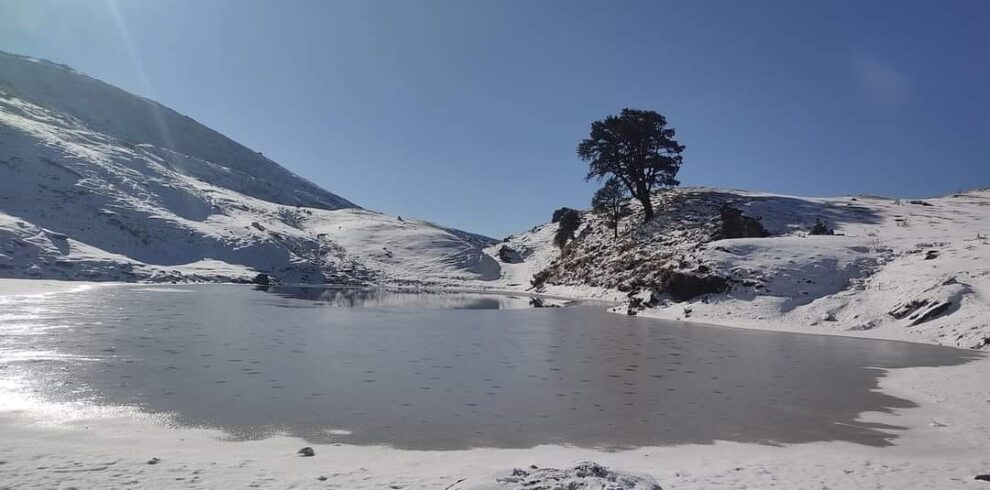
- What Happens: Start your trek through pine and maple forests, crossing streams and meadows. Spot wildlife like Himalayan Langur, boars, and hares. Reach Juda-ka-Talab, a stunning frozen lake in winter with a natural tunnel feeding water to villages. Our guides help with any icy spots, making it fun and safe.
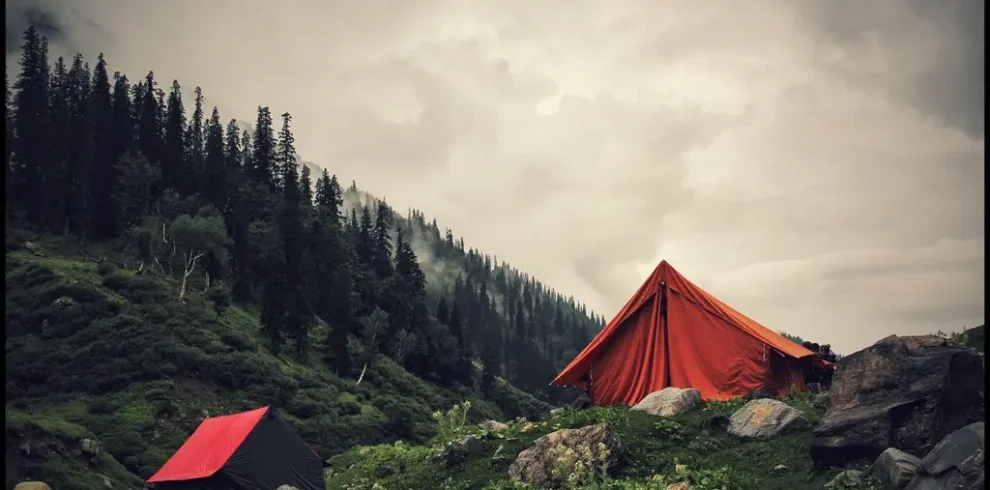
- Stay: Tents under the stars.
- Why You'll Love It: The views are magical, and the lake's winter ice sheet is a highlight. End the day with hot dinner in camp, surrounded by nature's peace. Perfect for beginners!
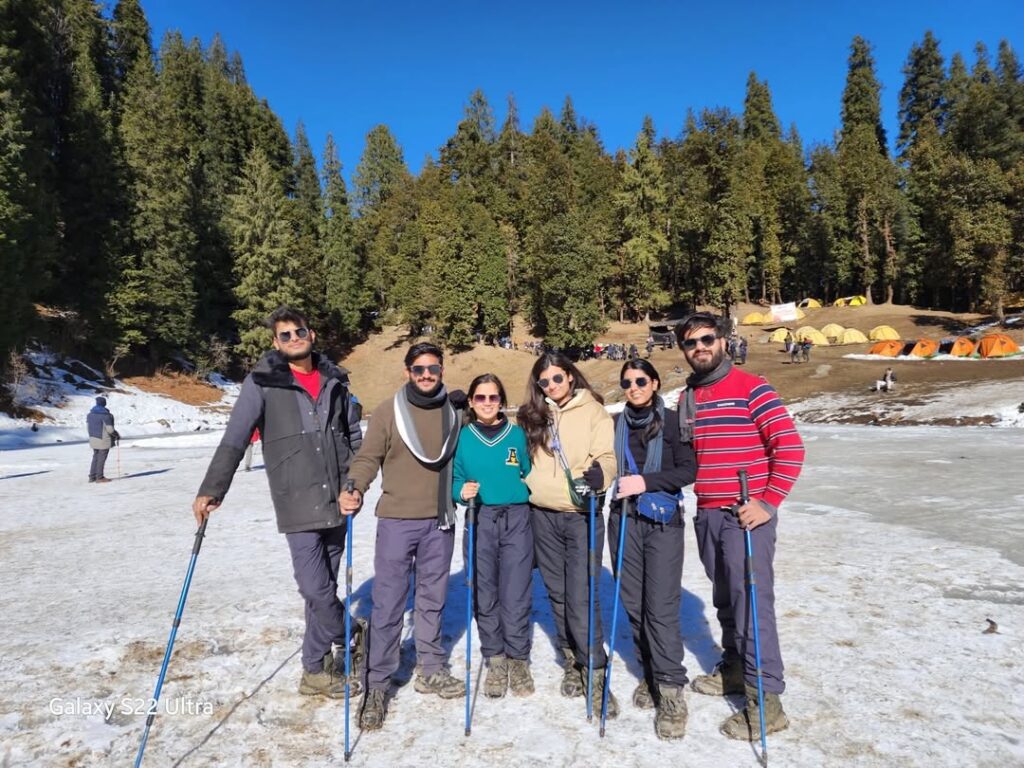
- Altitude Gain: From 9,100 ft to 11,250 ft
- Trek Distance: 4 km
- Trek Duration: 4-5 hours by trek
- What Happens: Wake to a beautiful sunrise and trek through oak and pine forests on steeper trails. Learn snow-walking tips from our guides. At 10,400 ft, snow appears, with views of Bandarpunch, Swargarohini, Kala Nag, and Ranglana peaks. Pass shepherd huts and ridges for that real Himalayan feel.
- Stay: Tents with amazing mountain views.
Why You'll Love It: The scenery gets better with every step, and our team ensures you're ready for the summit push. Delicious dinner served right in your tent!
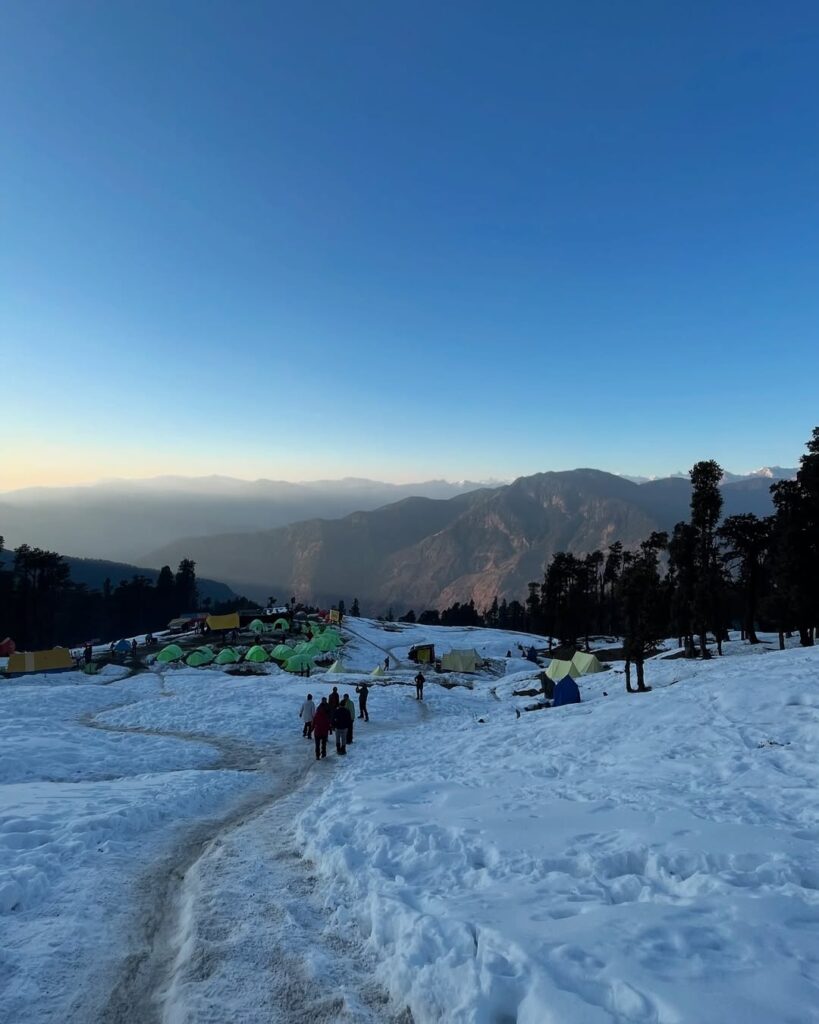
- Max Altitude: Summit at 8900 ft - 12,500 ft
- Trek Distance: 10 km (full day trek)
- Trek Duration: 7-8 hours
- What Happens: Rise early for the summit climb—trek up steep trails to catch the sunrise. See magical views of Rupin, Bandarpunch, Swargarohini, Kala Nag, Gangotri, and Yamunotri. Visit the small shrine for Lord Shiva, Parvati, and Ganesh, tied to local myths. Descend to Hargaon after lunch at base camp, with snacks waiting.
- Stay: Tents at Hargaon, with valley views.
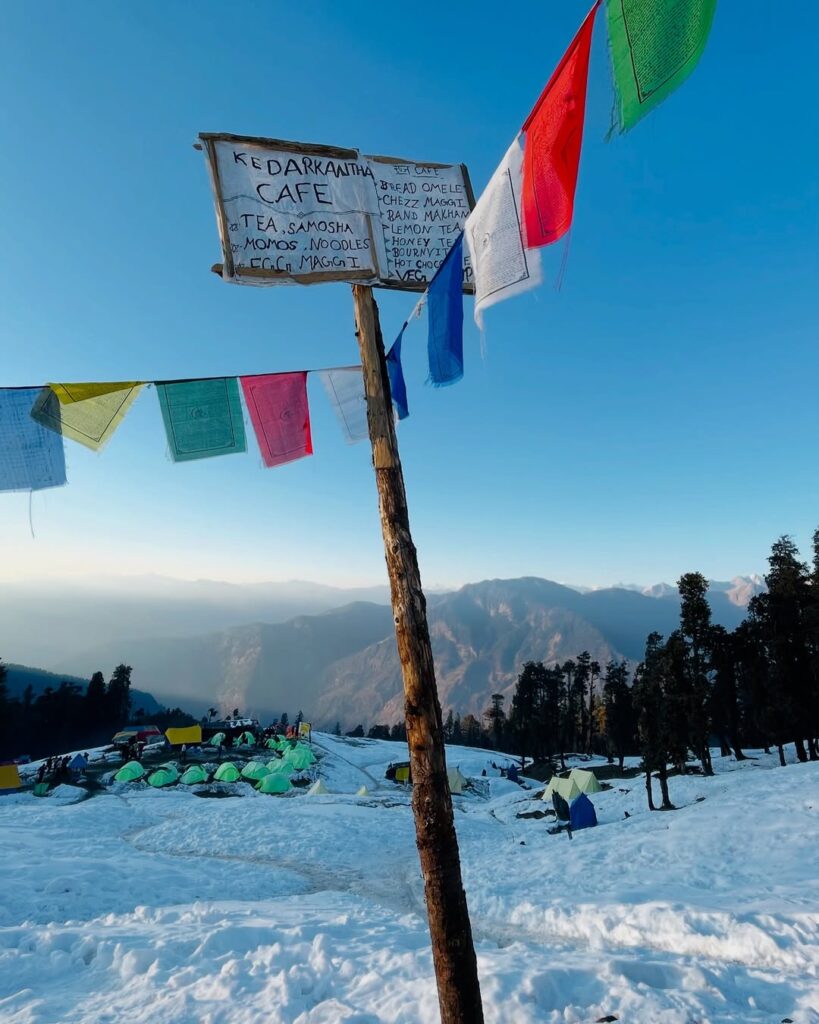
- Altitude Loss: From 8,900 ft to 6,400 ft
- Trek Distance: 4 km
- Trek Duration: 7-8 hours
- Drive Distance: 220 km
- What Happens: Easy descent through pine woods to Sankri, with a stunning sunrise at Hargaon. Pack up and drive back to Dehradun, arriving by 8–9 PM. Enjoy the scenic route one last time!
- Notes: Add a 1–3 hour buffer for travel bookings due to possible delays. Collect your memories on the way back.
- Why You'll Love It: A gentle end to an epic trek, leaving you refreshed and full of stories.
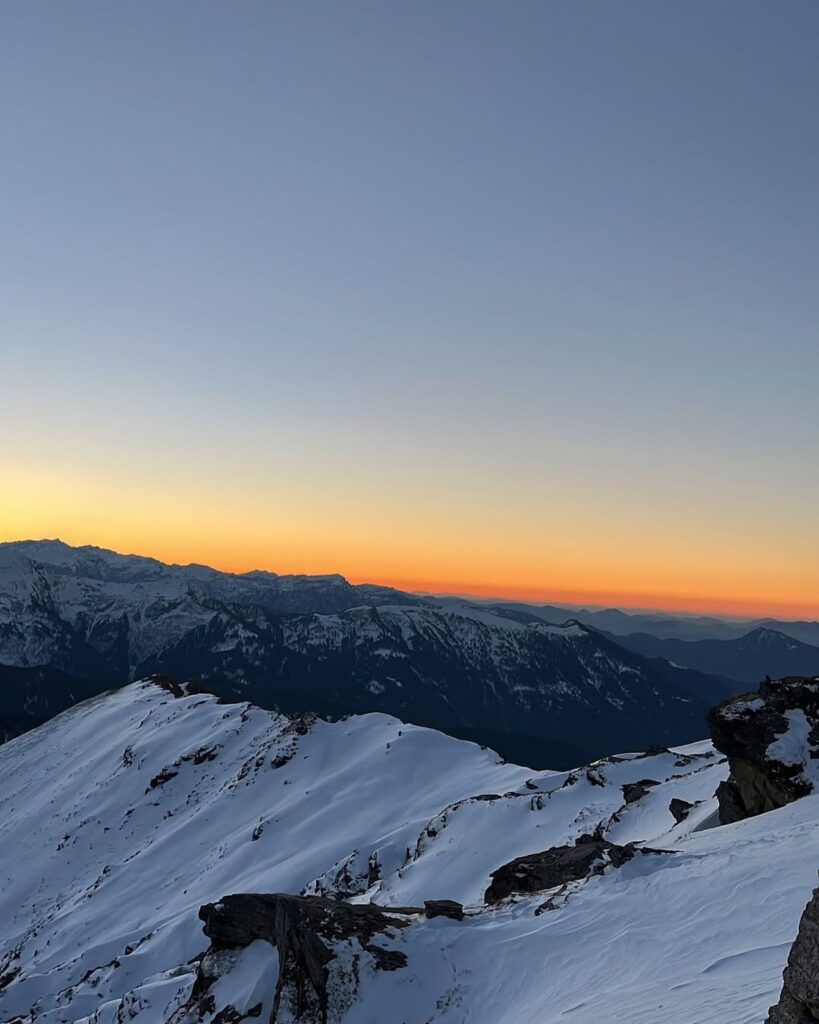
Kedarkantha Trek Map
Things to Carry for Kedarkantha Trek with outonodssey
Packing right is key to a fun Kedarkantha Trek! With outonodssey, we make it easy—bring the basics, and we’ll handle the rest like microspikes, gaiters, tents, and sleeping bags. Keep your backpack light (60-70L, max 9-10 kg) for comfort on snowy trails. Here’s our simple packing list to get you ready for the Himalayas.
Head Gear
- Headlamp for night walks and camps.
- Warm hat or cap to fight the cold.
- UV sunglasses to shield from snow glare.
- Buff or balaclava for neck and face warmth.
Clothing
- 2 pairs of thermals for base layers.
- Woollen sweater for extra coziness.
- 2 fleece jackets for chilly winds.
- Padded jacket rated for -5 to -10°C.
- 3 quick-dry T-shirts.
- 2-3 synthetic trek pants.
- Raincoat or poncho with backpack cover.
- Warm gloves to keep hands toasty.
Foot Gear
- Waterproof trekking shoes with ankle support.
- Hiking sandals for camp rest.
- 3-4 pairs of socks for dry feet.
- Note: We provide microspikes and gaiters for snow—save space!
Personal First Aid Kit
- Antiseptic towel, butterfly bandages, cotton, elastic bandages, sterile gauze.
- Latex gloves for hygiene.
- Meds: For diarrhea, cold/flu, headache, painkillers, ORS, Diamox (for altitude).
- Bug repellent and quick pain spray.
- Your prescribed meds—our team has basics too.
Gadgets and Other Items
- Trekking poles for balance on slopes.
- Mobile phone, camera, spare batteries, power bank.
- Lightweight flashlight.
- Waterproof bag for gadgets.
- Plug adapter, 1L water bottle.
- Journal, pen, book, map, or guidebook for downtime.
Hygiene and Toiletries
- Sunscreen for UV protection.
- 1-2 quick-dry towels.
- Toilet paper, tissues, wet wipes.
- Toothbrush, toothpaste, mouth freshener.
- Deodorant or talcum powder.
- Shampoo and bio-degradable soap.
- Sanitary pads or tampons (for women).
- Lip balm and nail clipper.
Compulsory Documents
- Original and photocopy of government ID (Aadhaar, voter ID) for forest permits.
How to Reach Kedarkantha Trek with outonodssey
Getting to the Kedarkantha Trek is easy and exciting withoutonodssey! Start in Dehradun, then head to Sankri, our cozy base camp. We offer hassle-free transport from Dehradun to Sankri book it early to avoid rush.
How to Reach Dehradun
Dehradun is your starting point, with Jolly Grant Airport, railway station, and bus stand all well-connected.
- By Air: Fly to Jolly Grant Airport (25 km from Dehradun city). Regular flights from Delhi and other major cities. From the airport, take a taxi or bus to Prince Chowk for our pickup—quick and simple!
- By Train: Catch the Nandadevi Express (leaves Delhi at 11:50 PM, arrives Dehradun at 5:40 AM) or Dehradun Express (leaves at 9:10 PM, arrives at 5:00 AM). Dehradun Railway Station is near our pickup spot at Prince Chowk—arrive by 6:00 AM to join us!
- By Bus: Board AC or non-AC buses from ISBT Kashmere Gate in Delhi to Dehradun ISBT. The ride takes 5-6 hours—arrive early for our 6:30 AM drive to Sankri.
How to Reach Sankri from Dehradun
Sankri is 220 km from Dehradun, about a 10-hour scenic drive through Mussoorie and Govind National Park.
- With outonodssey Transport: We pick you up at 6:30 AM from Prince Chowk (near Dehradun Railway Station) in comfy vehicles like Bolero (6-7 seats), Innova (7 seats), or Tempo Travellers (12 seats). Arrive in Sankri by 5:00 PM—relax and enjoy the views! Book early with us for a smooth start.
- Public Transport: Take Uttarakhand Roadways buses from Dehradun—2-3 daily trips (5:30 AM to 7:30 AM). Check timings ahead, as they can change. It’s cheaper but less comfy—aim to reach Sankri by evening.
- Private Taxi: Hire a taxi from Dehradun for flexibility, but it’s costly and not as fun as our group ride!
Pro Tip: No network beyond Sankri, so tell family beforehand. Jio and BSNL work in Sankri. Pack light and store extras safely with us in Sankri.
Kuari Pass Trek Package Option
Trekking from Joshimath | Complimentary “4” Trek Gears
⏱ 5 Nights & 6 daysTrekking from Rishikesh | Complimentary “4” Trek Gears
⏱ 5 Nights & 6 daysTrekking from Rishikesh | 8 Trek Gears
⏱ 5 Nights & 6 days- 2 Nights Stay in Joshimath (Hotel/Homestay)
- 3 Nights Camp Stay during Trek
- Meals from Day 1 Dinner to Day 6 Breakfast
- Camping Gear & Kitchen Setup
- Forest & Trekking Permissions
- Medical Facilities & Oxygen Cylinder
- Certified Trek Leader & Staff
- Safety, Security & Certificate
- Complimentary Trekking Gears
Bookings details
⚡ Package Type
Trekking from Joshimath
Select
Select
Price Breakdown Apply Coupon
Adult 0 x Rs. 5499 Rs. 0
Booking & Service Fee Rs. 0
Total Rs. 0
…and don’t miss the best of RishikeshFood Provided by outonodssey During Kedarkantha Trek
At outonodssey, we fuel your Kedarkantha Trek with delicious, wholesome Indian vegetarian meals to keep you energized on the snowy Himalayan trails. Our carefully crafted menu includes hearty Indian breads, fresh vegetables, lentils, rice, and delightful desserts, ensuring you stay strong for the 23 km journey up to 12,500 feet. You’ll enjoy three meals daily—breakfast, lunch, and dinner—plus evening tea, snacks, and warming soups. For longer trekking days, we provide packed snacks to keep you going.
Our menu is designed after thorough research on trekkers’ nutritional needs, factoring in the high altitude and chilly weather of Kedarkantha (daytime 10-15°C, nights as low as -4°C). Each meal is balanced with calories, carbohydrates, proteins, fiber, vitamins, and minerals to support your stamina and recovery. Our skilled cooks, trained to excel in high-altitude cooking, prepare every dish with care, ensuring both taste and hygiene. Get ready for a culinary experience that’s as memorable as the Himalayan views!
Your day starts with a refreshing cup of lemon tea or coffee served right in your tent, setting a warm tone for the cold mornings. Before heading out from camps like Juda-ka-Talab or Kedarkantha Base, enjoy a hot, hearty breakfast. Options include favorites like poha, aloo paratha, besan cheela, upma, dalia, cornflakes, or Maggi, paired with tea or coffee to kickstart your trek with energy.
For longer trekking days, such as the 7-hour summit push, we provide packed snacks like energy bars, dry fruits, or biscuits to keep you fueled on the move. If fresh local fruits like apples or oranges are available, we include them for a vitamin boost. Healthy drinks like fruit juice (Frooti or Maaza) may also be offered to keep you hydrated and refreshed.
Around 4:00 PM, as you settle into camp, unwind with hot tea or coffee and light snacks like pakoras, popcorn, or roasted nuts. These evening treats are perfect for relaxing after a day on trails like those from Sankri to Hargaon. The crisp mountain air and snowy vistas make these moments extra special, with our team ensuring every bite is tasty and warming.
At night, after reaching campsites like Lohasu or Hargaon, savor a hot, wholesome dinner. Expect dishes like vegetable curry, dal (lentils), steamed rice, and soft rotis or parathas, followed by a sweet dessert like kheer or halwa to end the day on a high note. Our meals are crafted to replenish energy lost during treks and keep you cozy in the chilly Himalayan nights.
Fitness Target for Kedarkantha Trek with outonodssey
outonodssey has designed the Kedarkantha Trek as an easy-to-moderate-grade adventure, perfect for beginners and seasoned trekkers alike. To conquer this 23 km Himalayan journey reaching 12,500 feet, building endurance is key. Our goal is to prepare you to cover 4.5 kilometers in under 45 minutes, ensuring you have the stamina and strength to enjoy snowy trails, stunning peaks, and the summit climb with ease.
How to Achieve This Fitness Target?
To get trek-ready in 6-8 weeks, follow these simple steps:
- Start Jogging Regularly: Aim to jog 5 days a week to build cardiovascular endurance. This helps you tackle uphill climbs and snowy paths comfortably.
- Begin with Manageable Distances: If 5 km feels tough, start with 2 km daily. Gradually increase your distance over 2-3 weeks to hit 5 km without strain.
- Focus on Speed: Once you’re comfortable with 5 km, work on improving your pace. Target completing 4.5 km in under 40 minutes consistently for at least two weeks before your trek.
- Add Variety: Mix in cycling, swimming, or brisk walking to keep workouts fun. Include strength exercises like squats, lunges, and planks 3 times a week for leg and core power.
- Breathing Exercises: Practice deep breathing daily to boost lung capacity for high altitudes. Quit smoking and alcohol immediately to enhance oxygen flow.
- Train with a Backpack: In the last 2 weeks, jog or walk with a 5-7 kg backpack to mimic trek conditions.
Strength Training Exercises for Kedarkantha Trek with outonodssey
Trekking the Kedarkantha Trek demands a blend of endurance, strength, and balance to conquer the 23 km snowy trails up to 12,500 feet. Strength training is key to preparing your body for this easy-to-moderate Himalayan adventure. Bodyweight exercises are perfect for building the power, stability, and stamina needed to tackle uneven terrain, steep climbs, and backpack carrying. Below, we’ve outlined targeted exercises for lower body, upper body, core, and full-body fitness, with clear instructions and trekking benefits.
Lower Body Exercises
Strong legs and glutes are essential for navigating Kedarkantha’s snowy slopes and rocky paths. These exercises build power and stability for ascents and descents.
a. Squats
Targets: Quadriceps, hamstrings, glutes, calves.
Benefits for Trekking: Squats strengthen your lower body, giving you the power to climb steep trails to Juda-ka-Talab and the summit. They also boost stability for descending snowy paths, reducing strain on knees and helping you handle uneven terrain with ease.
How to Perform Squats:
- Stand with feet shoulder-width apart, toes slightly outward.
- Keep your chest up and back straight, then lower your body by bending knees and hips.
- Go down until thighs are parallel to the ground (or as low as comfortable).
- Push through heels to return to standing.
- Do 3 sets of 12-15 reps, 3 times weekly.
b. Lunges
Targets: Quadriceps, hamstrings, glutes, calves.
Benefits for Trekking: Lunges enhance leg strength and balance, crucial for steady footing on Kedarkantha’s icy trails and ridges. They improve flexibility, helping prevent injuries during long treks like the 6 km summit day.
How to Perform Lunges:
- Stand with feet hip-width apart, hands on hips or relaxed.
- Step forward with one foot, lowering until both knees form 90-degree angles.
- Keep front knee over ankle, back knee hovering above ground.
- Push through front heel to return to start, then switch legs.
- Alternate for 3 sets of 10-12 reps per leg, 3 times weekly.
Upper Body Exercises
Upper body strength helps you carry a 9-10 kg backpack and maintain posture on Kedarkantha’s trails, especially during the 7-hour summit push.
a. Push-Ups
Targets: Chest, shoulders, triceps, core.
Benefits for Trekking: Push-ups build upper body strength, making it easier to carry your backpack over 4-6 km daily treks. They also strengthen your core, improving posture and stability on rocky or snowy paths like those near Hargaon camp.
How to Perform Push-Ups:
- Start in a plank with hands shoulder-width apart, body in a straight line.
- Lower your chest toward the ground by bending elbows, keeping core tight.
- Stop just above the ground, then push through palms to return to start.
- Modify on knees if needed for beginners.
- Do 3 sets of 10-15 reps, 3 times weekly.
b. Bodyweight Rows (or Pull-Ups if equipment available)
Targets: Back, biceps, shoulders.
Benefits for Trekking: Rows or pull-ups strengthen your back and arms, reducing strain from carrying a backpack to Kedarkantha Base. They improve posture, helping you stay balanced on steep climbs and long descents, minimizing fatigue.
How to Perform Bodyweight Rows:
- Use a sturdy low bar or table edge (or pull-up bar for pull-ups).
- Lie under the bar, gripping it with hands shoulder-width apart.
- Pull your chest toward the bar, keeping body straight, then lower slowly.
- For pull-ups, hang from a bar and pull up until chin is above it.
- Aim for 3 sets of 8-12 reps, 3 times weekly.
Core Exercises
A strong core keeps you stable on Kedarkantha’s uneven trails and prevents back pain during long trekking days.
a. Planks
Targets: Abdominals, obliques, lower back.
Benefits for Trekking: Planks build core strength, essential for balance on snowy paths to Juda-ka-Talab or the summit. A strong core reduces back strain, keeping you comfortable during 4-7 hour trekking days and improving overall posture.
How to Perform Planks:
- Start in a forearm plank, elbows under shoulders, body straight from head to heels.
- Engage core, avoid sagging hips or arching back.
- Breathe steadily and hold for 30-60 seconds.
- Repeat for 3 sets, increasing duration as you improve, 3 times weekly.
b. Russian Twists
Targets: Obliques, abdominals, lower back.
Benefits for Trekking: Russian twists enhance rotational stability, helping you navigate twists and turns on Kedarkantha’s trails. A strong core prevents injuries and boosts performance, especially on the summit climb with 360-degree views.
How to Perform Russian Twists:
- Sit with knees bent, feet flat, leaning back slightly to engage core.
- Clasp hands or hold a light weight, then twist the torso to one side, touching hands near hip.
- Return to center, then twist to the other side.
- Do 3 sets of 20 reps (10 per side), 3 times weekly.
Full Body/Cardiovascular Exercises
These dynamic exercises boost endurance, agility, and strength, preparing you for Kedarkantha’s demanding summit day and long treks.
a. Burpees
Targets: Legs, chest, arms, core.
Benefits for Trekking: Burpees improve full-body strength and cardiovascular endurance, perfect for enduring the 7-hour summit day. They build agility for quick movements on snowy or rocky trails, ensuring you’re ready for Kedarkantha’s challenges.
How to Perform Burpees:
- Stand, then squat and place hands on the ground.
- Jump feet back to a plank, perform a push-up.
- Jump feet back to squat, then leap upward with arms overhead.
- Land softly and repeat.
- Do 3 sets of 8-12 reps, 3 times weekly.
b. Mountain Climbers
Targets: Core, shoulders, chest, legs.
Benefits for Trekking: Mountain climbers boost cardio and full-body strength, mimicking the quick steps needed on steep trails like the climb to Kedarkantha Base. They enhance core stability, helping you stay balanced on uneven terrain.
How to Perform Mountain Climbers:
- Start in a plank, hands shoulder-width apart, body straight.
- Drive one knee toward chest, then switch legs quickly in a running motion.
- Keep hips stable and core engaged.
- Continue at a moderate pace for 30-45 seconds, 3 sets, 3 times weekly.
Tips for Effective Strength Training
- Proper Form: Always maintain correct technique to avoid injury. Start with bodyweight; add light weights later if ready.
- Consistency: Train 3-4 times weekly, mixing strength with 4.5 km jogs (aim for under 45 minutes).
- Recovery: Rest 1-2 days between strength sessions. Stretch before and after to boost flexibility and prevent soreness.
- Progression: Increase reps or duration gradually over 6-8 weeks to match Kedarkantha’s demands.
Trek Simulation: In the final 2 weeks, train with a 5-7 kg backpack to mimic carrying gear
Safety During Kedarkantha Trek with outonodssey
Trekking the Kedarkantha Trek with outonodssey is designed to be safe, fun, and worry-free, thanks to our expert team and top-notch safety measures. Our trek leaders are certified in Wilderness First Aid and trained to handle high-altitude challenges, ensuring you’re in trusted hands on this 23 km journey to 12,500 feet. We prioritize your medical fitness above all—please ensure you’re physically prepared for this adventure.
Since our inception,outonodssey has led the way in introducing cutting-edge safety practices for Indian trekking. We were among the first to make microspikes standard for snowy trails and mandate emergency bottled oxygen on all treks. Our trek leaders monitor your health daily with pulse oximeters, and we use radio walkie-talkies for seamless communication in remote areas like the Govind Wildlife National Sanctuary. These innovations set us apart, and many operators now follow our lead to ensure safer treks.
How We Ensure Your Safety
At outonodssey, safety is our cornerstone. Our team of over 50 experienced guides and trek leaders is professionally trained by reputed institutions like the Nehru Institute of Mountaineering and the Indian Mountaineering Foundation, Delhi. With expertise in handling snowy slopes and high-altitude conditions, we guarantee technical safety on Kedarkantha’s trails. From Sankri to the summit, our crew is equipped to keep you secure, whether navigating icy paths or tackling steep climbs.
Our Comprehensive Safety Protocols
We’ve implemented advanced safety checks to make your Kedarkantha adventure seamless and secure:
- Daily Health Monitoring: We check your oxygen saturation and pulse daily using oximeters to catch early signs of altitude sickness, vital at 12,500 feet.
- Emergency Equipment: We carry stretchers, bottled oxygen, and comprehensive medical kits tailored for high-altitude treks, ensuring quick response to any issue.
- Communication: Radio walkie-talkies keep our team connected across remote trails, from Juda-ka-Talab to Hargaon, for swift coordination.
- Snow Gear: Microspikes and gaiters, provided free, ensure safe footing on Kedarkantha’s snowy slopes, especially during the summit push.
- Trained Staff: Our mountain guides, cooks, and porters are trained in first aid, CPR, and environmental awareness, offering full support.
- Technical Expertise: Our team excels at managing snowy terrain, ensuring safe ascents and descents, particularly on the 7-hour summit day.
Why Your Safety Is Our Top Priority
At outonodssey, we combine local knowledge with fluency in English and Hindi to make your trek smooth and enjoyable. Our leaders, trained in advanced wilderness emergency medicine and portable altitude chamber use, are prepared for any scenario. We carry medical kits with essentials like antiseptics, bandages, and altitude medications (e.g., Diamox, if prescribed). For groups of all sizes—families, friends, or solo travelers—we provide personalized attention to ensure your safety and comfort.
Who We Are
outonodssey has been a trusted name in adventure tourism for over a decade, organizing treks across Uttarakhand, Himachal, Kashmir, and Sikkim. With more than 50 Himalayan treks in our portfolio, including Kedarkantha, we specialize in safe, memorable experiences. We cater to diverse groups—schools, colleges, and families—offering tailored options for all fitness levels. Our commitment to quality service and safety makes us a top choice for trekkers worldwide.
Rest assured, your health and safety are non-negotiable. We provide daily health checks, oxygen cylinders, and microspikes, plus a supportive crew to guide you through Kedarkantha’s snowy trails.
Must Read These Information Of Kedarkantha Trek
- Why Kedarkantha Trek is Must
You should definitely go on the Kedarkantha Trek at least once in your life. It’s one of the most famous winter treks. Make sure to pack everything you need because the beautiful snow-covered scenery and the climb to the top can make anyone weak in the knees. After March, the snow starts to melt, revealing the lush green pasture below, where colorful flowers bloom in the spring and summer. Get ready to camp in the Govind Vihar National Park, which is in the Himalayas of Uttarakhand. It’s a dense forest with lots of trees.
You will also hike through a dense forest of Himalayan coniferous trees. This is the best winter trek for beginners. While trekking, you’ll see beautiful things and have fun at the same time. You will also hike through thick forests that are completely covered in ice. You will learn how to camp in clearings on thick piles of snow during the hike. Get ready because the thick snow will get your heart racing until you reach the top.
During the winter, you will be able to see new snow, high snow, and even very cold nights while you are trekking. Trekking on snowy mountains is a lot of fun. Not only is it a classic winter trek, but it’s also one of the best and most famous winter treks in the Himalayas. Only the trekkers who put in the effort will get to see the amazing views of nature. The view is so beautiful that you will never forget it.
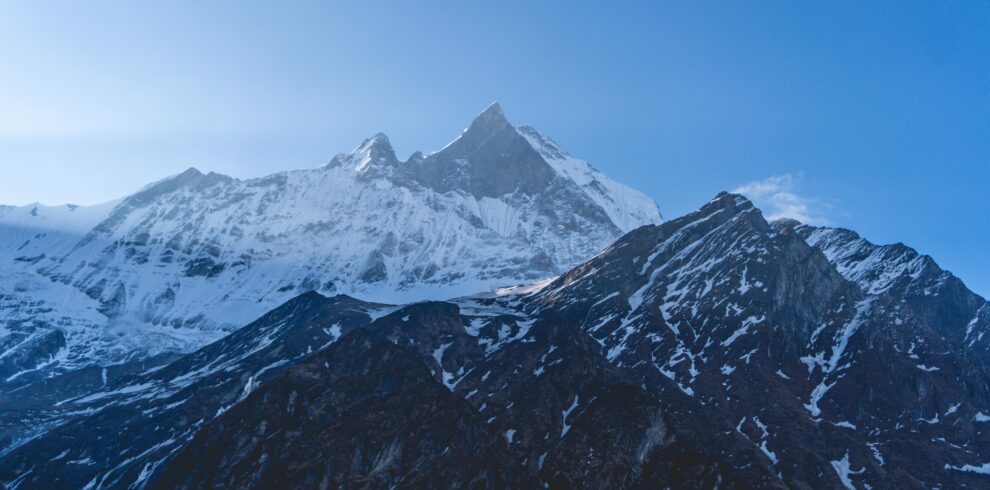
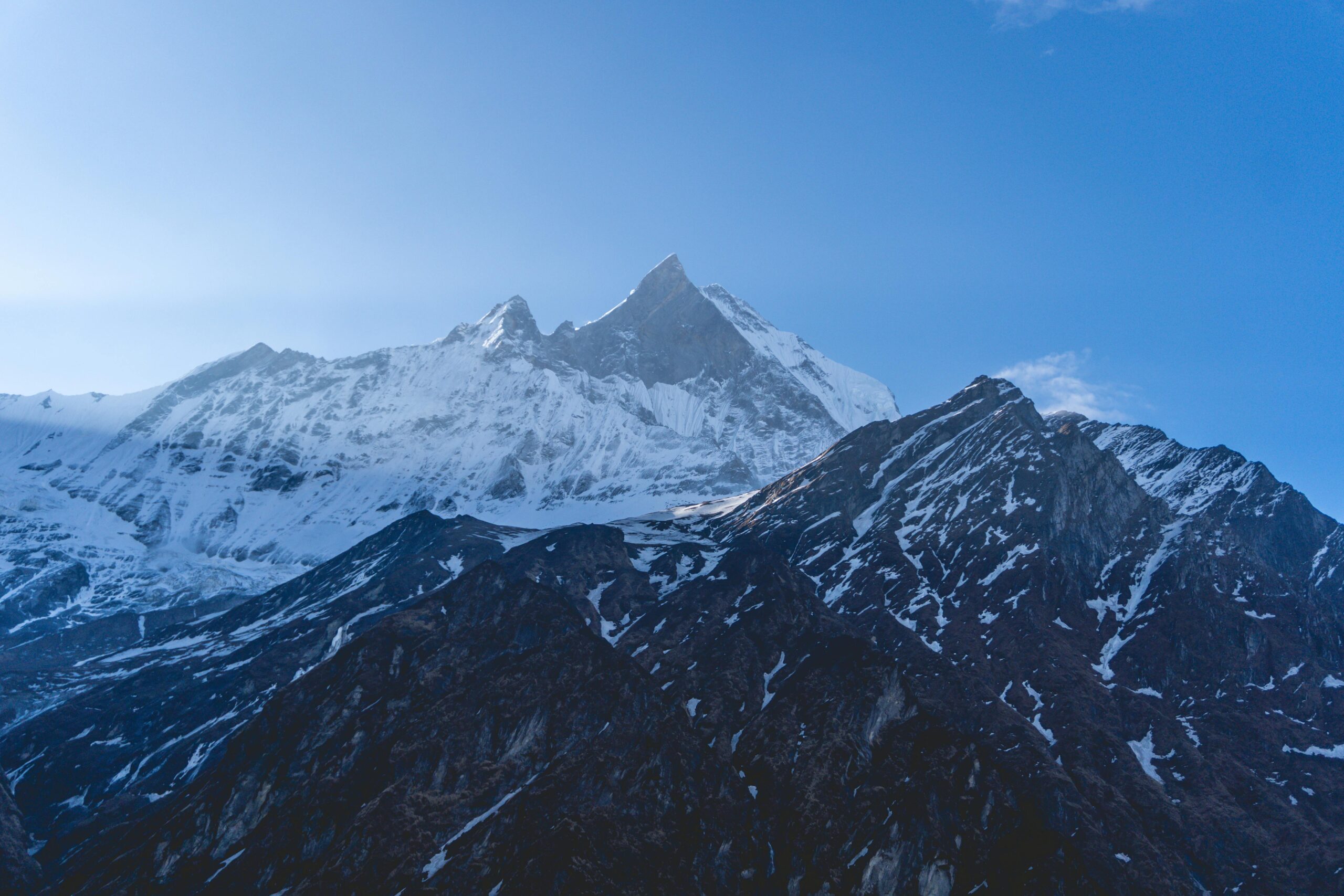
The views from the top are amazing and better than you could have imagined. You will see not only the famous peaks like Gangotri, Bandarpoonch, Kalanag, Yamunotri, and Swargarohini, but also many other peaks that don’t have names. Trek has the most beautiful campsites in the Himalayas. No other trekking place can compare to the beauty of this winter snow trek. Every campsite on this trek is different and has amazing views of the surrounding area.
You just have to be in the right place to see the beauty in this world. This hike was full of beautiful sights that gave photographers a great chance to take stunning pictures of nature. Every frame looks like a picture on a postcard.
- Best Time
The Kedarkantha trek in the Indian Himalayas is one of the few treks that you can do all year round, except for July and August, which is the rainy season in Uttarakhand. The weather here is mild in the summer. This is when you can see the mountains next to you.
During the Monsoon
If you want to do this trek during the monsoon, you will have to deal with some problems. Landslides happen during the monsoon and block roads. The view of the Himalayan meadows will definitely be worth all the work, even though it will be a little tiring.
During Winter
The trail is still covered in silver sheet in the winter. Because of this, the hike gets a little harder. In the winter, this trek is both hard and fun at the same time. Bring your heavy woolens with you on the hike because it gets colder.
- Difficulty
The Kedarkantha Trek is an amazing adventure that combines stunning natural beauty with exciting challenges. This trek, which is rated as Easy-Moderate, takes three days to reach 12,000 feet, with steep climbs and a hard final climb to the top. In the winter, the trail may be covered in snow and ice, so you should use traction aids like microspikes to stay safe and stable.
The hike is fun all year long, but in the winter, the temperatures drop, making it even more important to be ready. Physical training is not only important, it’s the only way to get through this high-altitude hike. You have to do both cardiovascular and strength exercises, especially in the winter. It’s best to start getting ready 30 to 45 days before the hike to build up your strength and endurance.
Along with working out, you need to have the right gear, like warm clothes, insulated layers, and cold-weather gear. Being aware of the possible problems and being well-prepared will make your trip better and make sure it is safe and fun.
Please call +91-7060017566 if you have any questions about the trek, like what gear to bring, how to train, or anything else. I hope you have a great and unforgettable time trekking!
- Mythological Stories About Kedarkantha Trek withoutonodssey
The Kedarkantha Trek, nestled in Uttarakhand’s Garhwal Himalayas, is not just a winter wonderland but a sacred journey steeped in Hindu mythology. This 23 km trek to 12,500 feet, offered by outonodssey, winds through pine forests, frozen lakes, and snowy trails, each carrying tales of gods and ancient legends. Below, we explore the mystical stories that make this trek a spiritual pilgrimage, adding a divine layer to its breathtaking landscapes.
The Sacred Summit of Kedarkantha
The name Kedarkantha, meaning “Throat of Lord Shiva,” originates from a powerful legend. Locals believe Lord Shiva chose this serene peak for deep meditation, drawn to its tranquil isolation in the Govind Wildlife National Sanctuary. However, a bull—said to be Shiva himself in disguise—interrupted his penance, disturbed by villagers or shepherds. Shiva then relocated to Kedarnath, leaving Kedarkantha sanctified by his presence. At the summit, a stone shrine with a Trishul (trident) stands, where locals and trekkers pay respects, believing it holds Shiva’s divine energy. Some say the shrine’s Ganesha idol is worshipped in summer to invoke rain, tying the peak to spiritual rituals.
Another tale links Kedarkantha to the Mahabharata. The Pandavas, seeking Shiva’s forgiveness after the Kurukshetra war, pursued him in the Himalayas. Shiva, disguised as a bull to evade them, was spotted by Bheem. As Shiva fled, his body parts scattered across the Garhwal region, forming the Panch Kedar shrines. Kedarkantha is said to be where his throat landed, earning its name and sacred status, mirroring the lore of Kedarnath (hump), Tungnath (arms), Rudranath (face), Madhyamaheshwar (navel), and Kalpeshwar (hair). This connection makes the trek a spiritual quest for trekkers.
Juda-ka-Talab: The Sacred Lake
At 9,000 feet, Juda-ka-Talab, a stunning alpine lake, is a highlight of the trek’s first campsite. Its name, meaning “Lake of Connection,” comes from a legend where Lord Shiva, seeking water, unknotted his hair (juda), and droplets fell to form this lake. Some stories suggest it symbolizes the union of two water bodies, reflecting its serene beauty. Another folktale tells of a shepherd who lost his flute in the lake, only to find it later at a village woman’s home, hinting at mystical underground streams connecting the lake to nearby rivers. This sacred lake, frozen in winter, adds a magical aura to the trek.
Parvati’s Presence and the Himalayan Peaks
Some legends weave Lord Shiva’s consort, Parvati, into Kedarkantha’s story. It’s said that Shiva and Parvati visited the Garhwal Himalayas, captivated by its beauty. Shiva meditated on Kedarkantha’s summit, while Parvati’s tears, moved by the landscape, formed Juda-ka-Talab. This tale infuses the trek with a divine feminine energy, blending serenity with spirituality. The surrounding peaks also carry myths: Swargarohini, visible from the summit, is believed to be the path Yudhishthira, the eldest Pandava, took to heaven, while Bandarpoonch (“Monkey’s Tail”) is linked to Hanuman, who doused his burning tail in the Himalayas. Kalanag, or Black Peak, resembles a cobra’s head, adding to the region’s mystical allure.
A Trek Through Divine Silence
Kedarkantha is more than a trek; it’s a pilgrimage without rituals, where every snow-covered trail and pine forest whispers ancient stories. The summit’s 360-degree views of Swargarohini, Bandarpoonch, and Kalanag feel like a divine theater, where the silence speaks of Shiva’s unfinished meditation. Locals in Sankri believe the Kedarnath temple was originally meant for this peak, cementing its sacred status. With outonodssey, you’ll walk these legendary paths with guides who share these tales, making your journey both adventurous and spiritual.
Experience these mystical stories on the Kedarkantha Trek with outonodssey. Our expert guides, trained in safety and local lore, bring these legends to life as you trek through sacred landscapes. Start your journey and connect with the divine in the